
How We Work
How OVAAT Works
OVAAT is a community-led model for rural transformation. It empowers villages to drive their own development, starting with children and expanding into education, health, livelihoods, and environmental restoration. The model combines action, learning, and sustainability, ensuring that solutions are locally owned, culturally relevant, and scalable.
Participatory Village Engagement
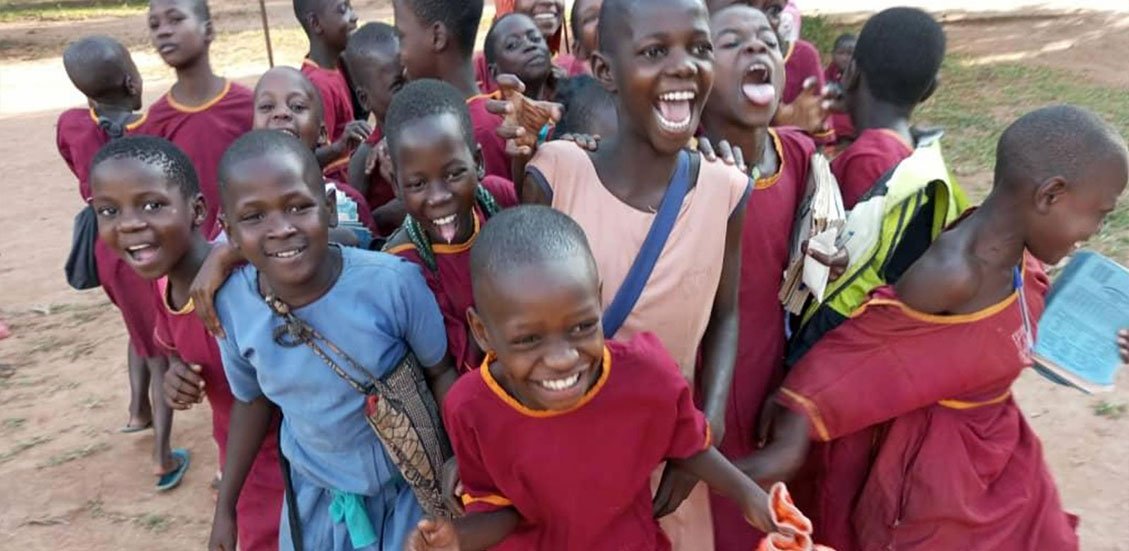
Development begins with the community. Using Participatory Learning and Action (PLA), villagers—including parents, elders, youth, teachers, and local leaders—come together to define priorities, co-create a shared vision, and plan coordinated actions. This inclusive approach promotes collective leadership, trust, accountability, and relevance, ensuring that solutions address what matters most to the community.
Foundational Focus; Early Childhood Development & Education (ECD&E)
At the heart of OVAAT is Early Childhood Development and Education, a practical and unifying entry point for transformation. Rural children face overlapping challenges—poor nutrition, preventable illness, limited early learning, and poverty. Each village establishes community-owned ECD&E centers that integrate early learning and school readiness, child health and nutrition, growth monitoring, parenting support, and the use of local spaces, caregivers, languages, and cultural practices.
In addressing these challenges holistically, villages lay a foundation for improved educational performance, healthier adolescents, a more productive workforce, and intergenerational poverty reduction.
Organic Growth into Human Capital Transformation
As village capacity and confidence grow, OVAAT expands organically into additional priority areas, determined by the community itself. These include strengthening primary and secondary education, adolescent and youth development, community health and nutrition, skills and livelihoods, savings groups, and environmental stewardship including ecosystem restoration. The pace and scope of expansion are locally defined, ensuring interventions are relevant, practical, and sustainable.
Learning, Knowledge Sharing & Digital Platform
OVAAT is both an action model and a learning model. Villages document their experiences, successes, and lessons through a digital platform, which acts as a hub for knowledge sharing, peer exchange, and accountability. This platform allows villages to replicate best practices, share innovations, and co-evolve a living, evidence-based approach to rural transformation.
Governance & Institutional Framework
The model is supported by a formal institutional structure that ensures oversight, transparent resource management, protection of community knowledge, and accountability to communities and partners. Strong governance builds trust, safeguards local ownership, and ensures operational efficiency, making the model scalable and credible.
Strategic Planning & Sustainability
Each village develops a 5–10 year strategic plan with long-term goals, milestones, indicators, and clearly defined roles for community members, local leaders, and external partners. Sustainability is pursued through community contributions, local revenue initiatives, strategic partnerships, and monetization of knowledge and technical support. This ensures that villages remain in control of their development trajectory while building lasting impact.
Learning, Documentation & Scaling
OVAAT villages document their journey through a digital platform that serves as a knowledge hub. Villages share lessons, replicate effective practices, and collaborate through a learning network. This approach enables transparency, accountability, and replication across new villages, turning each community into a living model of rural transformation.
National Relevance and Long-Term Impact
OVAAT is a community-led, scalable model for rural transformation, empowering villages to take charge of their development. It aligns with Uganda’s decentralized governance framework, the Parish Development Model (PDM), and the objectives of the National Development Plans (NDP III & IV), ensuring that interventions are locally owned, accountable, and sustainable.
The model also contributes directly to the Sustainable Development Goals (SDGs), particularly SDG 3 (Good Health), SDG 4 (Quality Education), SDG 8 (Decent Work), and SDG 13 (Climate Action).